
Sensory play is one of the best ways to engage young children in hands-on learning.
A simple and fun idea that never fails is making colored pasta.
This DIY sensory material is bright, versatile, and perfect for preschool or kindergarten classrooms.
In this post, I’ll show you step by step how to color pasta and share creative ways to use it in sensory bins and learning activities.
Why Use Colored Pasta for Sensory Play?
Colored pasta is budget-friendly, engaging, versatile, and reusable.
The bright colors attract children’s attention, and the pasta can be used for many different learning activities.
Materials Needed to Make Colored Pasta
– Dry pasta (any shape: penne, fusilli, macaroni, etc.)
– Plastic zip bags
– Liquid watercolor paints (choose your favorite colors)
– Trays or baking sheets for drying
Step-by-Step: How to Color Pasta for Sensory Activities
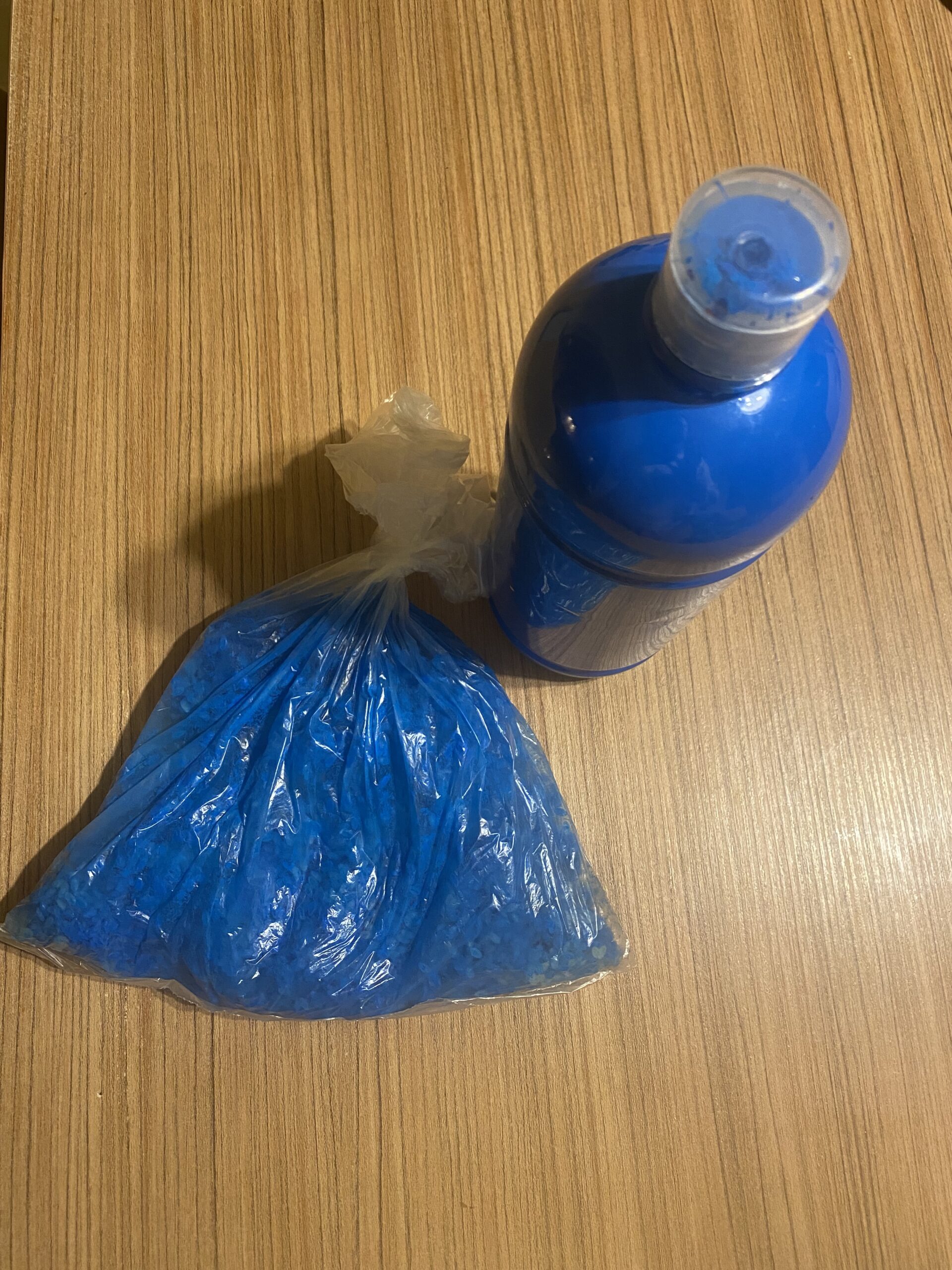
1. Fill the bag with pasta. Place the dry pasta into a sturdy plastic bag. Smaller bags work well if you want different colors.
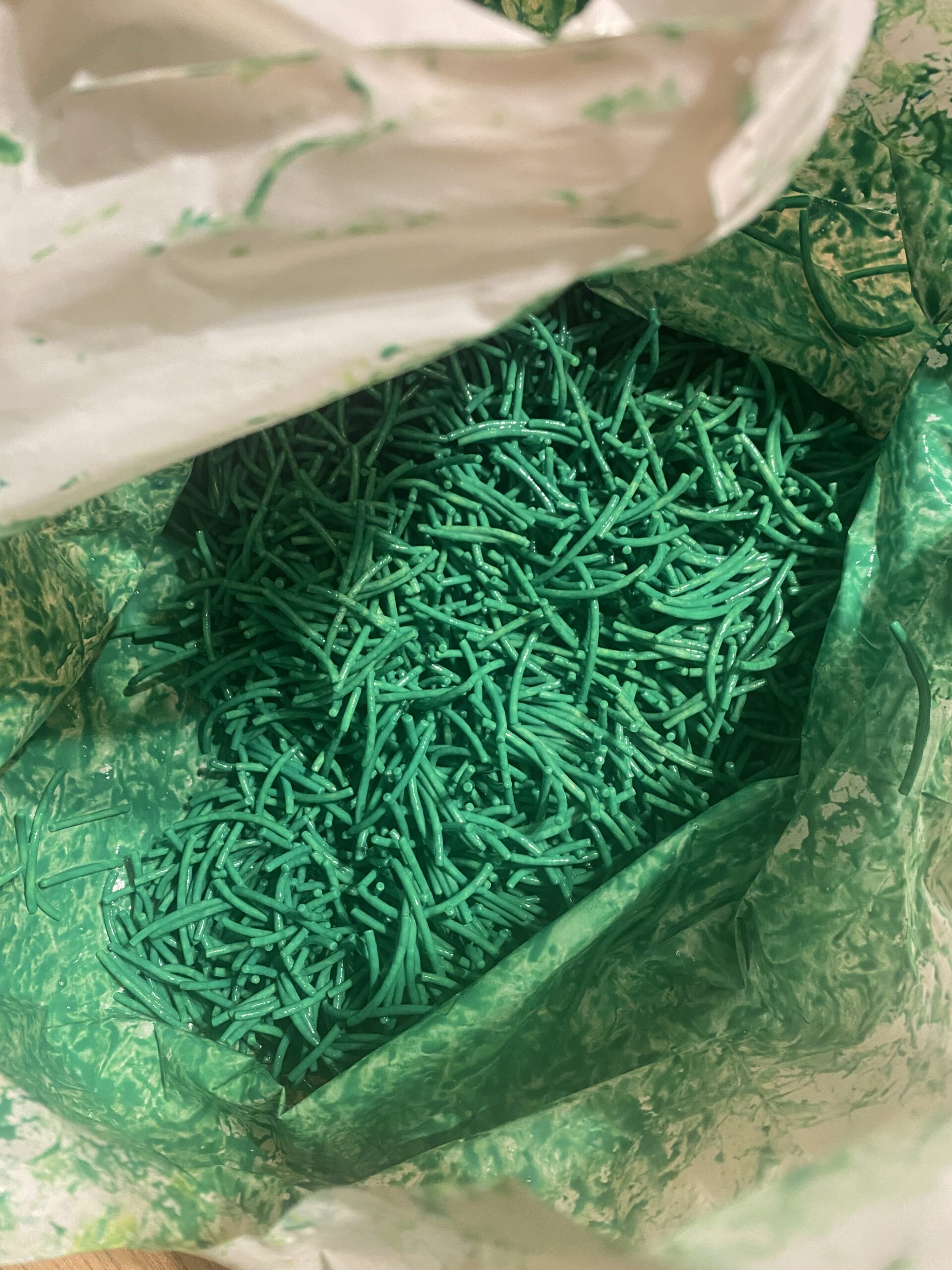
2. Add paint. Squeeze liquid watercolor paint directly into the bag. This will give the pasta a vibrant, long-lasting color.
3. Shake and mix. Seal the bag and gently shake or squish until all the pasta is evenly coated. Children love watching the pasta change color.
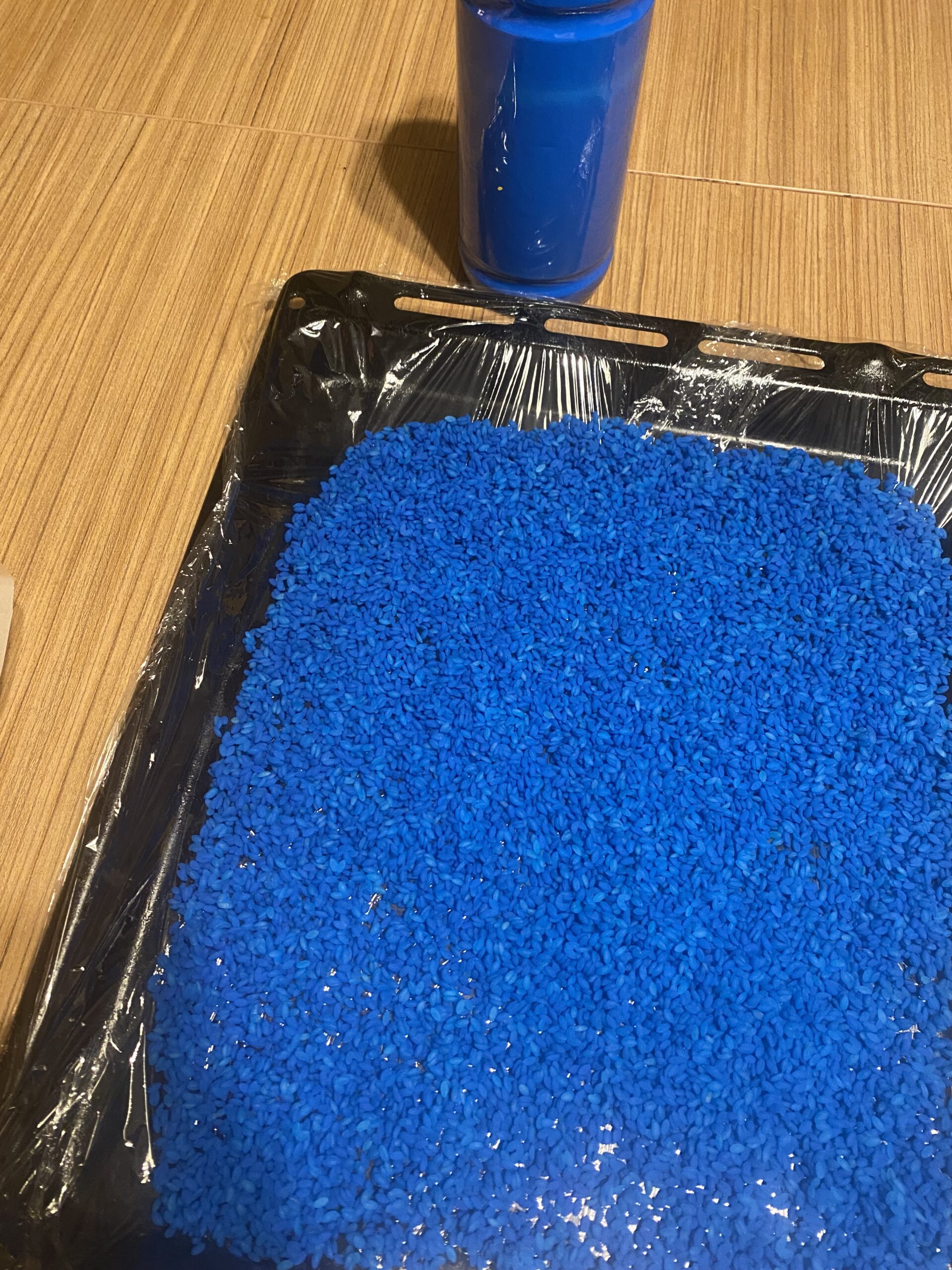
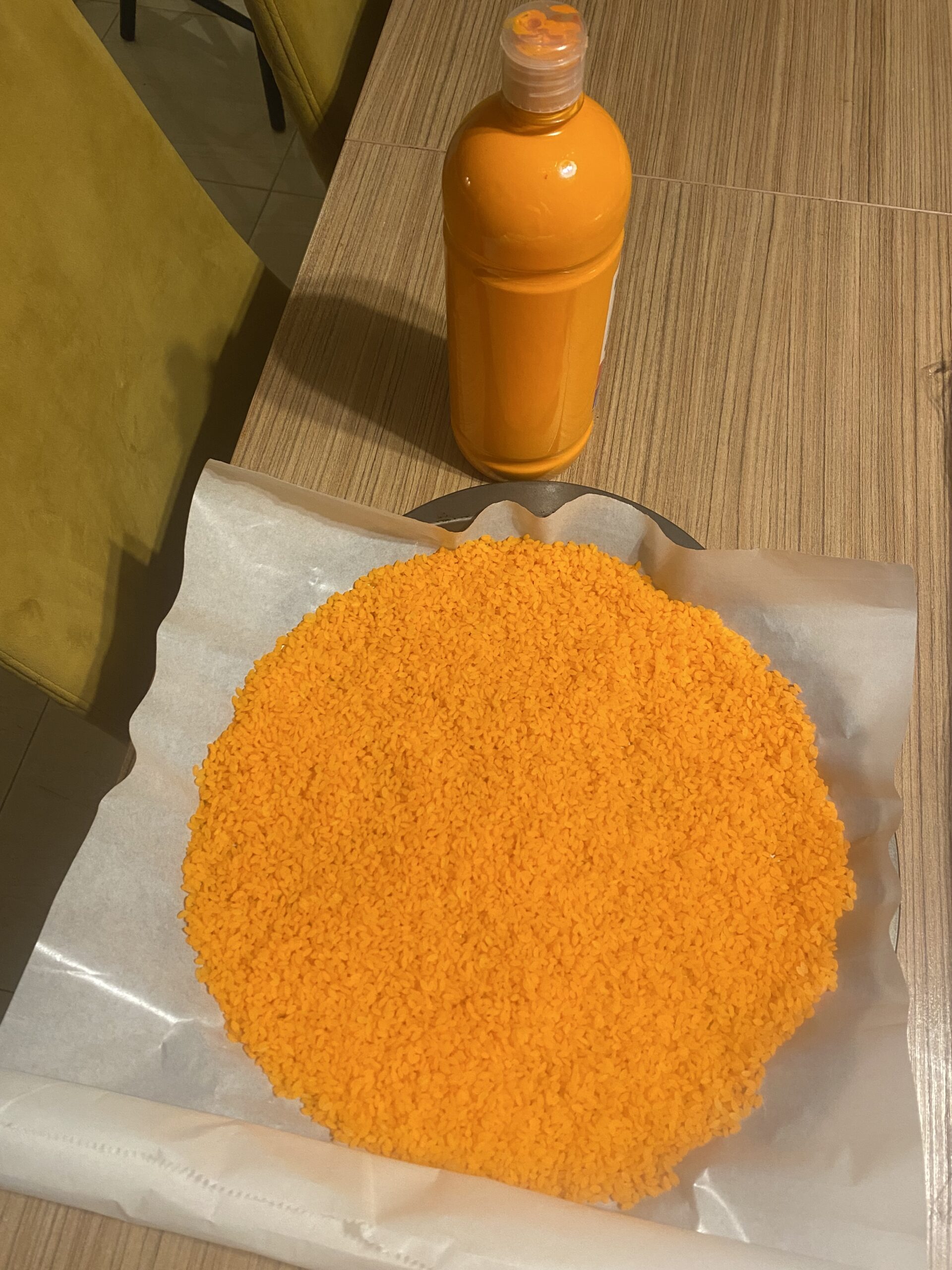
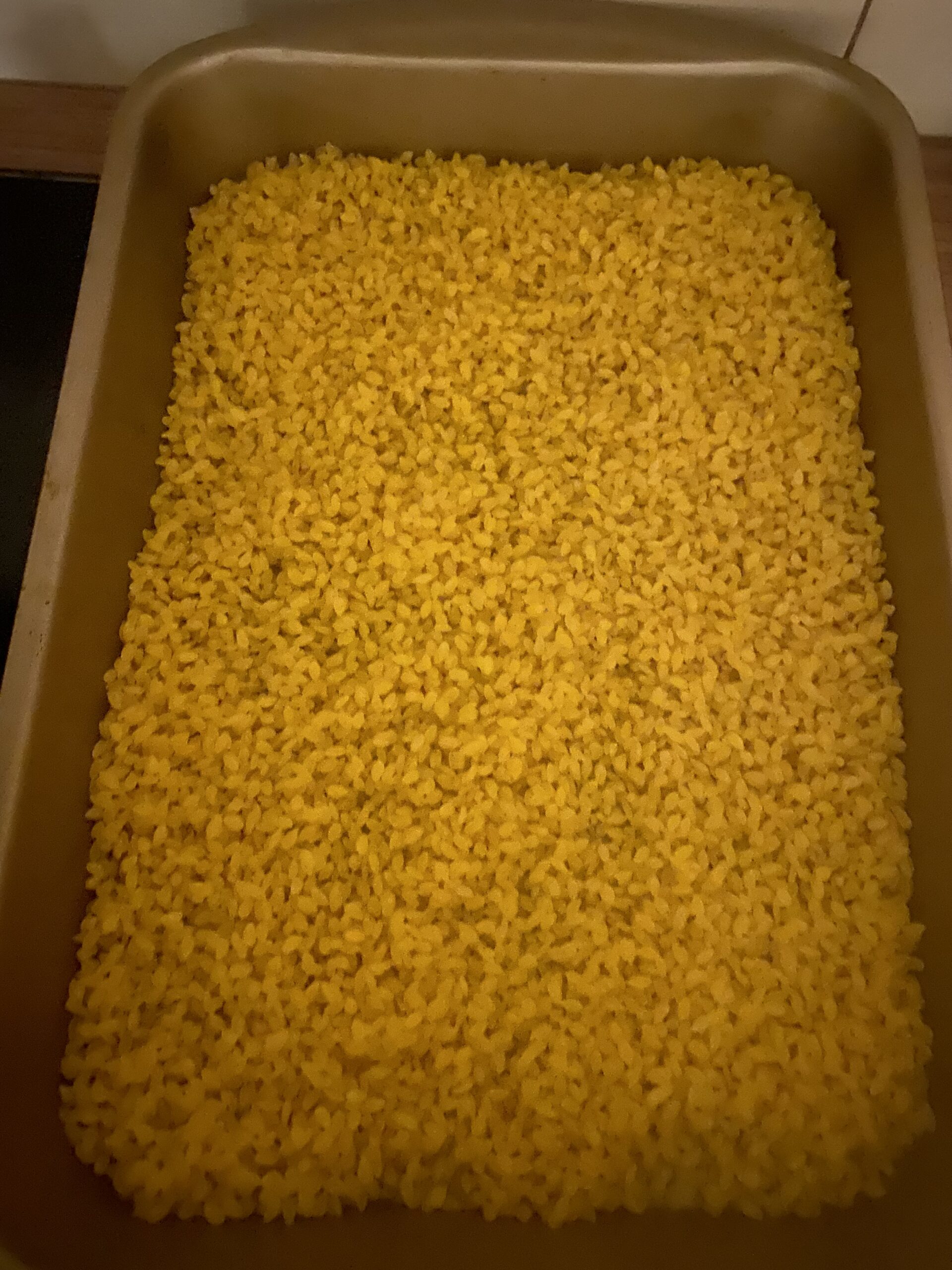
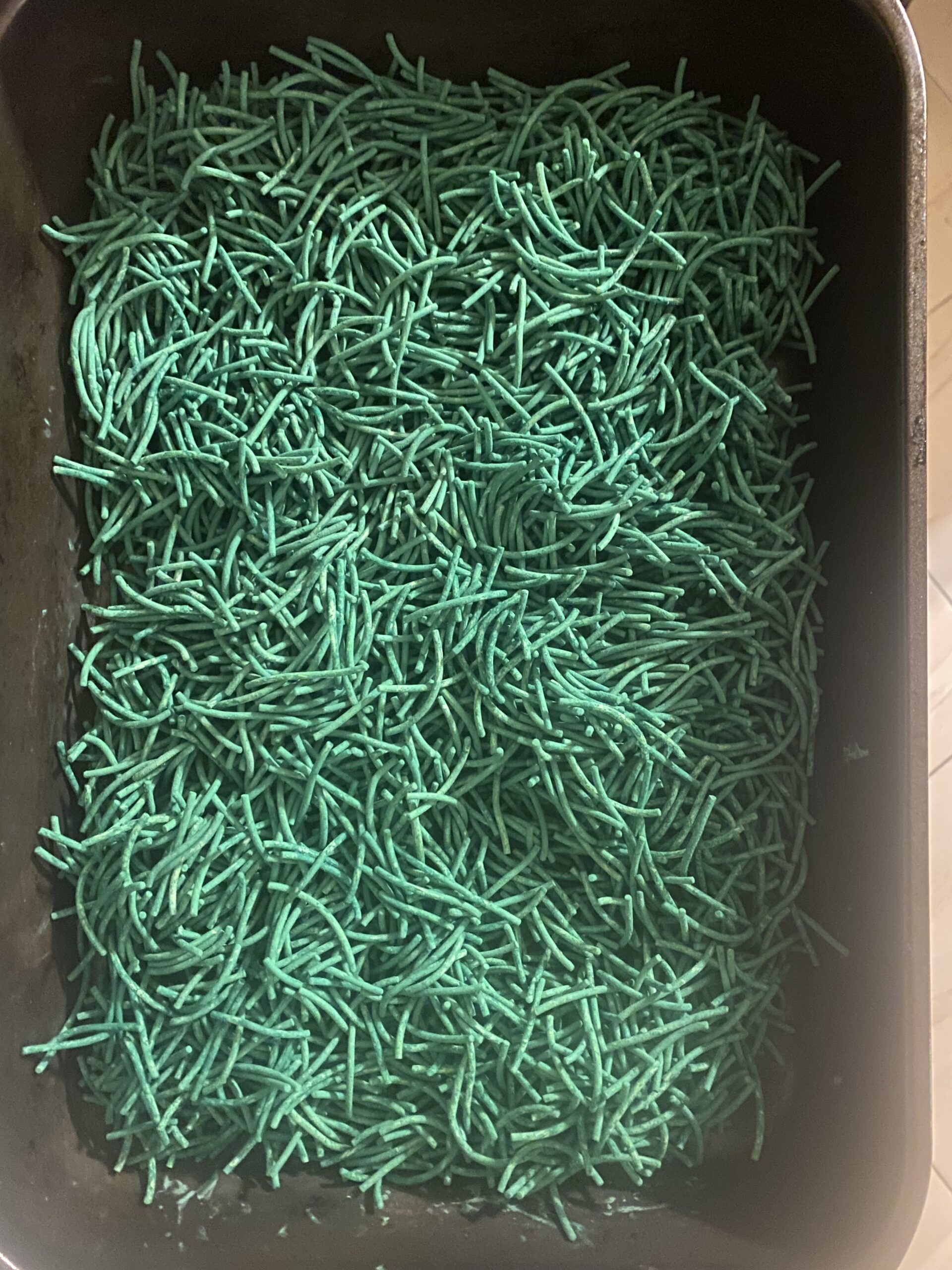
4. Spread and dry. Pour the colored pasta onto trays and spread it out in a single layer. Allow it to dry completely for a few hours or overnight.
How to Use Colored Pasta in the Classroom
– Sensory bins: children can scoop, pour, and mix pasta with spoons, cups, or funnels.
– Art projects: glue pasta onto paper to create colorful patterns and shapes.
– Sorting and counting games: practice math skills by sorting pasta by color or shape.
– Fine motor practice: string pasta onto yarn to make necklaces or bracelets.
Storage Tips
Keep your colored pasta in airtight containers or zip bags.
It stays vibrant and ready to use for months, making it a great reusable classroom resource.
Final Thoughts
This DIY colored pasta activity is quick, easy, and guaranteed to bring excitement to sensory play.
Whether you’re a preschool teacher, a kindergarten educator, or a parent at home, making colored pasta is a simple way to create hours of hands-on fun.
Try it out, and watch how much your children enjoy exploring, creating, and learning with their new colorful sensory material!