Looking for a fun, colorful, and hands-on way to engage your preschoolers? Dyeing pasta with food coloring and vinegar is a simple and exciting activity that brings color, texture, and creativity into sensory play. It’s also a great way to encourage fine motor development and imaginative thinking — perfect for home or classroom learning!
🌈 Why Use Colored Pasta?
Colored pasta is a versatile material that can be used in many sensory bins, crafts, and sorting games. It helps children explore color, shape, and texture while also practicing hand-eye coordination, pouring, scooping, and more.
🧪 What You’ll Need:
500g of dry pasta (we used rice-shaped pasta, but any shape works!)
Liquid food coloring (choose your favorite colors)
White vinegar (approx. 30 ml per color)
A plastic zip-lock bag
Baking paper or parchment paper
A mixing cup
📝 Step-by-Step Instructions:
Prepare the Pasta:
Pour 500g of dry pasta into a large zip-lock bag.Mix the Color:
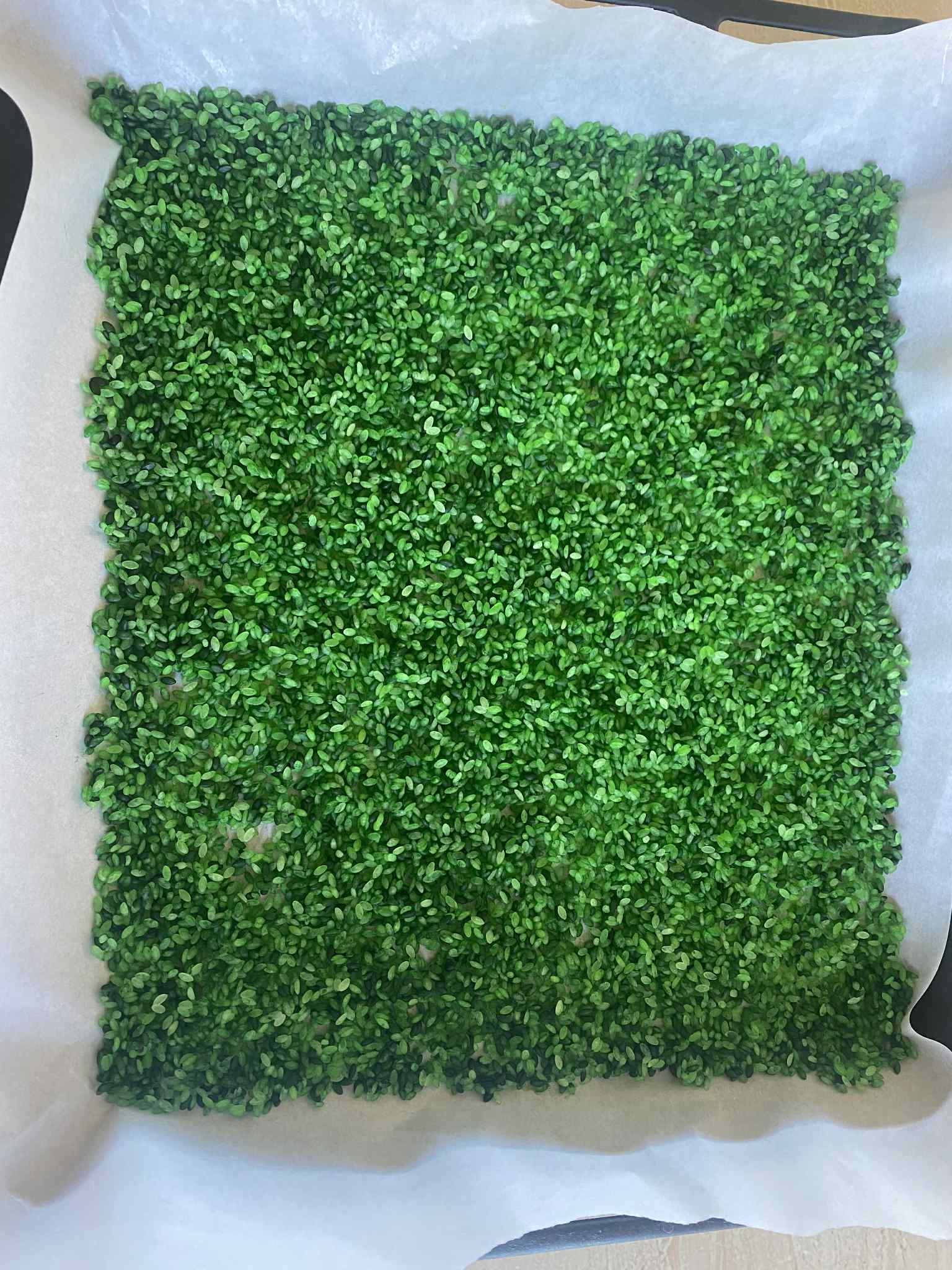
In a cup, combine about 30 ml of white vinegar with a few drops of liquid food coloring. Start with one color — we chose green!Add the Color to the Bag:
Pour the colored vinegar mixture into the bag with the pasta.Shake It Up!
Seal the bag tightly and shake it well until all the pasta is evenly coated with color. This part is especially fun for kids to help with!Dry the Pasta:
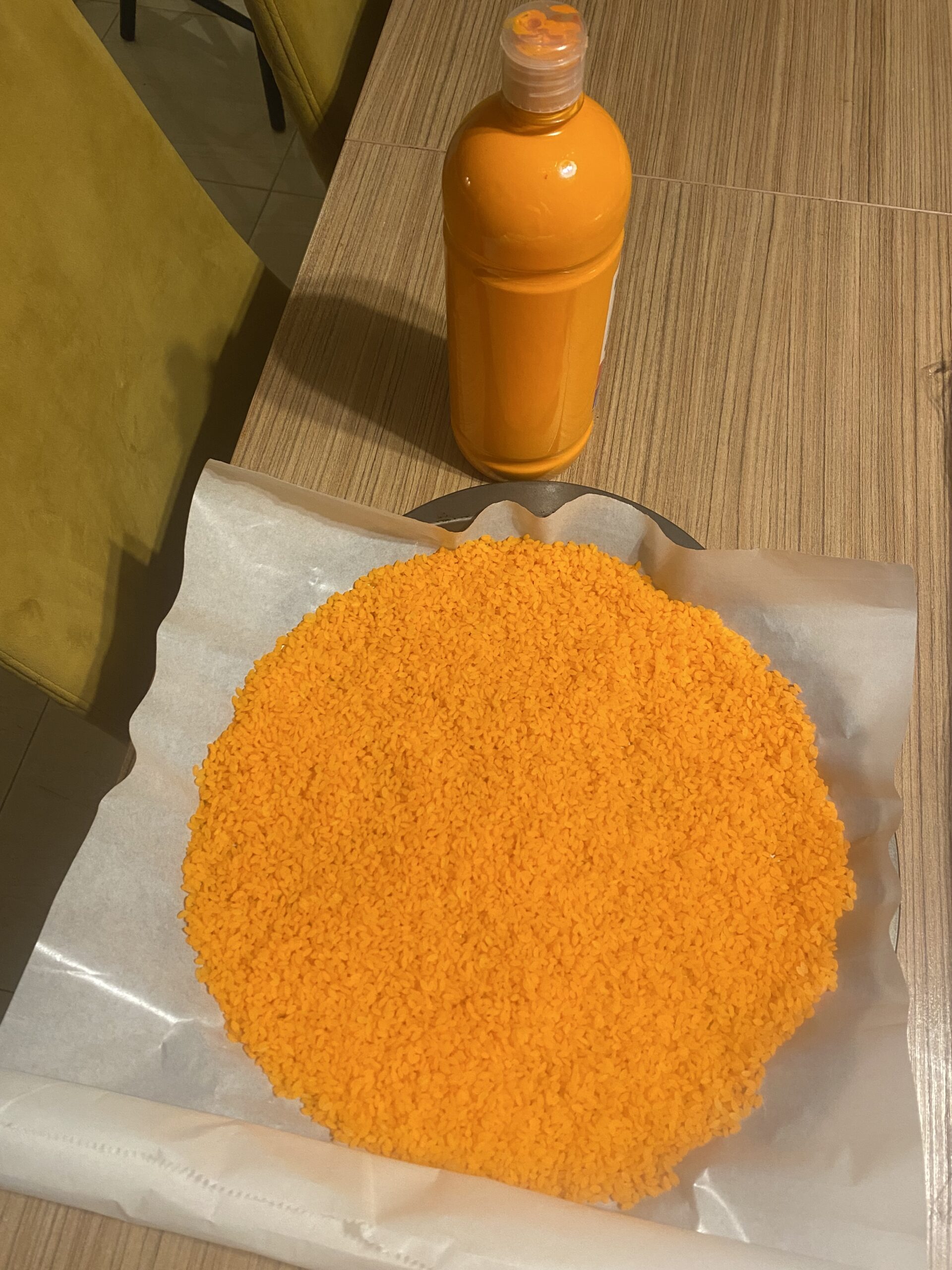
Spread the colored pasta out on a sheet of baking paper and let it dry completely. This can take several hours, depending on the humidity in the room.Repeat with Other Colors:
Once the first batch is dry, you can repeat the process using different colors like red, blue, yellow, or even mix them for a rainbow effect!
👶 Educational Benefits of Sensory Play with Colored Pasta
Sensory activities like this one are more than just fun — they support key areas of development in early childhood:
✋ Fine motor skills
👀 Visual discrimination
🎨 Color recognition
🧠 Cognitive and language development
🧘 Focus and relaxation
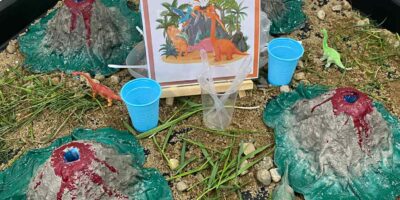
Children can use the colored pasta in sensory bins, for color-sorting activities, counting games, threading, gluing into artwork, or simply scooping and pouring.
✨ Final Thoughts
Coloring pasta is a quick and budget-friendly way to create vibrant materials for sensory activities. Whether you’re a parent or a preschool teacher, this DIY project is a wonderful way to encourage creativity and exploration in young learners.
Stay tuned — I’ll be adding more colored pasta in different shades soon. The more colors, the more exciting the sensory experience!